Blog

Your blog category

Best Time to Paint a House - American Painting

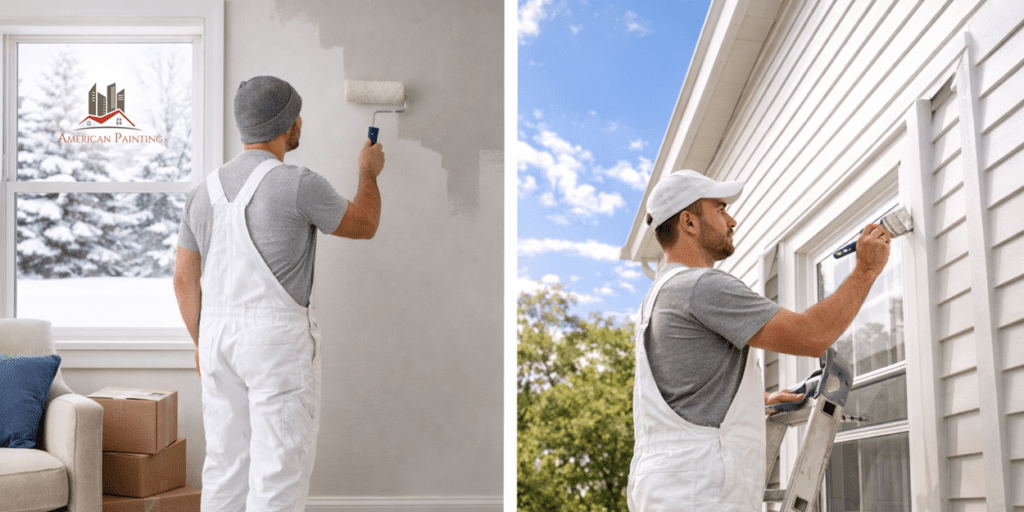
Interior vs Exterior House Painting: When is the Best Time to Paint Your Home?

Painting your home sounds simple. Pick a color, grab a brush, and start. In reality, timing can make or break the results. The best time to paint depends on whether you’re painting the interior or the exterior of your house. Weather, humidity, and temperature all affect how paint dries, sticks, and lasts. Let’s break it down clearly so you don’t waste time, money, or effort. What is the Best Time to Paint a House Exterior? The golden rule for painting an exterior house is consistency. Most modern paints require specific conditions to bond correctly to a surface. You are looking for a string of dry days where temperatures stay between 50°F and 85°F. Low Humidity: If it’s too humid, the paint won’t dry. If it’s too dry or windy, it might dry too fast, leading to brush marks. Temperature Stability: You need a zone where the temperature doesn’t fluctuate more than 20 degrees between day and night. In regions with Mediterranean climates, the late spring and early fall are the sweet spots. These windows avoid the unexpected winter rains and the blistering heat of July and August that can cause house exterior paint to dry prematurely and crack. When to Start Interior House Painting? Unlike exterior work, interior house painting offers significantly more flexibility because you control the environment. However, professional interior painting services still recommend specific timing for optimal results. The Advantage of Winter for Interior House Painting Many homeowners assume summer is best for all DIY projects, but winter is actually the premier season for interior upgrades. Lower Humidity: Indoor air is typically drier in the winter, which allows paint to cure faster and harder. Ventilation: Modern low-VOC (Volatile Organic Compounds) paints mean you don’t need to leave windows wide open for days, making it easier to paint when it’s cold outside. How to Choose the Perfect Interior/Exterior House Colors? When selecting house colors, remember that lighting varies by season. A color that looks vibrant in the harsh summer sun might look muddy during a grey winter. Always test your swatches in both natural and artificial light to ensure the pigment holds its integrity year-round. Transform Your Home with American Painting! The right paint job isn’t just about picking beautiful house colors. It’s also about timing, preparation, and expert application. Whether you’re planning to paint the interior or exterior of your house, doing it at the right time ensures the finish looks better and lasts longer. If you want reliable, professional results, working with experienced painters makes a big difference. Teams like American Painting understand how proper surface preparation and the right timing can completely transform a home. They can also guide you on the best schedule for your project and help you achieve a clean, durable finish. So, start planning your painting project today and give your home the fresh, lasting look it deserves.

Interior vs Exterior House Painting: When is the Best Time to Paint Your Home? Read More »

How to Choose the Best Sherwin Williams Cabinet Paint for Your Kitchen 1

How to Choose the Best Sherwin-Williams Cabinet Paint for Your Kitchen?

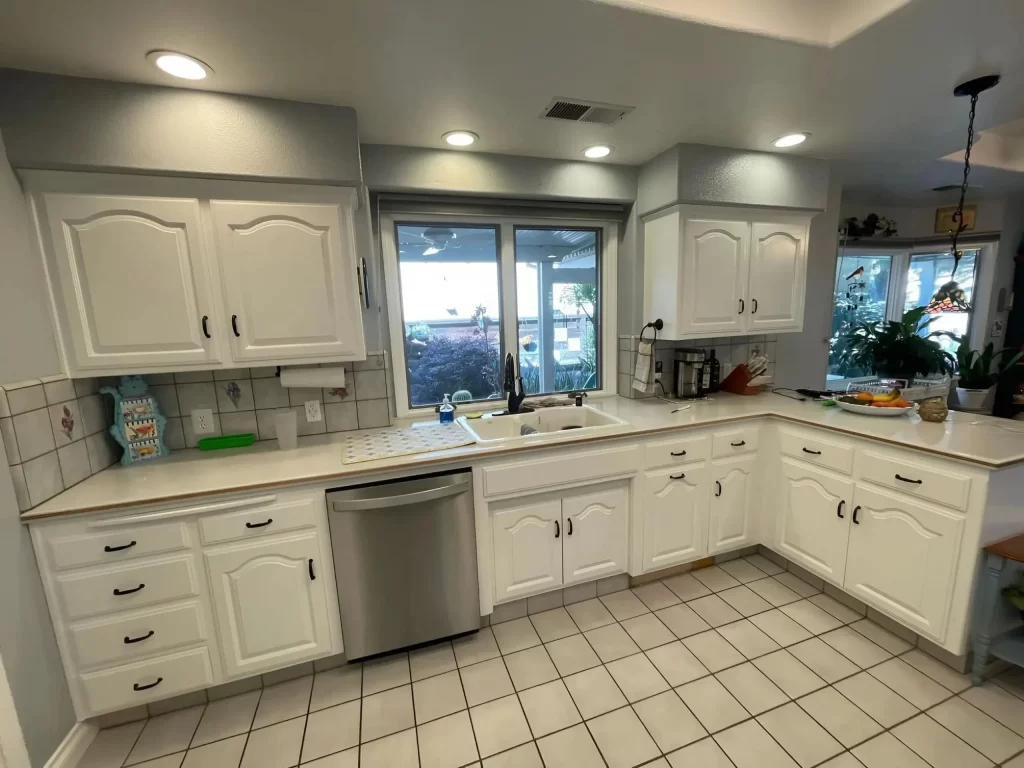
The kitchen is the high-traffic heart of the home, which means your cabinets are functional surfaces subjected to constant grease, heat, moisture, and physical impact. If you choose the wrong cabinet paint, you’ll likely be staring at peeling edges and fingerprint stains within six months.  While you will find a ton of quality options within the Sherwin-Williams catalog, the best paint isn’t a universal choice. It depends entirely on your application method and the specific durability your lifestyle demands. In this guide, you’ll find the different high-performance coatings available to help you identify the right Sherwin Williams cabinet paint for your specific project. Let’s get started! Comparing the Best Sherwin-Williams Cabinet Paint Options If you ask professional painters what Sherwin-Williams paint is best for cabinets, two products come up repeatedly. 1. Emerald Urethane Trim Enamel This is a water-modified alkyd. It behaves like an oil-based paint, which means it levels out beautifully to hide any marks. Plus, it easily cleans up with water. Pros: Can be brushed, rolled, or sprayed. It is extremely accessible for homeowners and creates a very hard, durable film. Cons: It can take weeks to reach its full chemical cure, meaning you have to be gentle with your cabinets for about a month. 2. Gallery Series Waterborne Topcoat (The Professional Choice) Released to bridge the gap between house paint and industrial coatings, Gallery Series is a 1K (single-component) polyurethane. Pros: It is KCMA (Kitchen Cabinet Manufacturers Association) rated. It dries to the touch in minutes and can be sanded or recoated in about 45 minutes. It is significantly more resistant to chemicals (like mustard or cleaner) than Emerald. Cons: It is spray-only. If you try to brush or roll the Gallery Series, it will dry too fast, leaving a mess of textures. Sherwin-Williams Best Paint for Kitchen Cabinets: Understanding the Tech The reason Sherwin-Williams cabinet paint stands out in the market is the focus on block resistance. Cheap latex paint remains slightly flexible and tacky even when dry. In a kitchen, this causes cabinet doors to stick to the frames, eventually ripping the paint off. Sherwin-Williams uses a cross-linking technology. As the water evaporates, the paint molecules lock together to form a shell that is much harder than standard wall paint. This hardness is what prevents chipping when a pot bangs against a drawer or when you’re scrubbing off dried mess. Top Trending Sherwin-Williams Kitchen Cabinet Paint Colors Choosing a color is subjective, but 2026 trends are moving away from stark, sterile whites and toward “organic sophistication.” Consider these top-performing shades: The New Neutrals Alabaster (SW 7008): This color belongs to the family of warm whites. It provides a clean look without that hospital feel. Shoji White (SW 7042): A creamy white that works perfectly in kitchens with natural wood accents. Moody & Bold Statements Iron Ore (SW 7069): A soft, charcoal grey that often replaces true black. It provides high contrast against brass hardware. Pewter Green (SW 6208): A dark, earthy green that brings a luxurious and historic feel to the kitchen. Naval (SW 6244): The definitive navy blue. It remains a staple for kitchen islands to create a polished look. Expert Tips for a Successful Kitchen Cabinet Painting  No matter how much you spend on your kitchen cabinet paint, the project will fail if your prep work is lazy.  1. Degreasing Kitchen cabinets are coated in a fine layer of aerosolized cooking oil. If you paint over this, the paint will never bond. You must use a heavy-duty degreaser or a dedicated citrus cleaner. Scrub until the slick of that grease is completely gone. 2. Sanding Properly You do not need to sand down to bare wood, but you must scuff the surface. The goal is to remove the shine from the existing finish so the new primer has something to stick to. Try to use 220-grit sandpaper because if the surface is still shiny, the paint will eventually peel off in sheets. 3. Priming Do not use paint and primer in one. For cabinets, you need a dedicated bonding primer. Extreme Bond Primer: Best for slick, factory-finished cabinets or laminate. B-I-N (Shellac-based): If you are painting over old oak or dark wood, you need this to stop tannin bleed (the yellow spots that ruin white paint). Kitchen Cabinet Painting: DIY vs. Professional Results If you are attempting to paint your kitchen cabinets yourself, stick to Emerald Urethane Trim Enamel. It is much more forgiving.  Professionals doing kitchen cabinet painting in San Diego or other high-end markets usually opt for the Gallery Series or even 2K (two-part) industrial coatings because they have the specialized spray equipment (HVLP or Air-Assisted Airless) to handle them. Why Spraying Paint is Better than Rolling? Spraying provides a factory finish because it eliminates the texture of a roller or brush. However, it requires 80% more masking and prep time. If you choose to roll, use a high-density foam roller and lay off the paint with a high-quality brush to minimize the orange peel texture. Maintenance Tips for Long-Lasting Kitchen Cabinet Paint Once the paint is applied, the clock starts on the cure time. For the first 7 days, avoid heavy cleaning or scrubbing. The next 30 days are the full cure window. After this, Sherwin-Williams’ top-tier enamels become scrubbable, meaning you can use mild soap and water to clean them without softening the finish. A common mistake people make is applying the paint too thickly. Multiple thin coats are always superior to one thick coat. Thick coats trap moisture, leading to a finish that stays soft and gummy for months. Wrapping Up Picking the right paint is one of the most important parts of painting kitchen cabinets. Cabinets go through a lot every day, so the paint needs to be strong, smooth, and able to handle regular use. Sherwin-Williams offers several paints made specifically for cabinets, which is why many homeowners and professionals trust them for this kind of project. But the paint alone isn’t what makes the

How to Choose the Best Sherwin-Williams Cabinet Paint for Your Kitchen? Read More »

Exterior House Painting San Diego CA

8 Mistakes Homeowners Make When Hiring Exterior House Painting Services

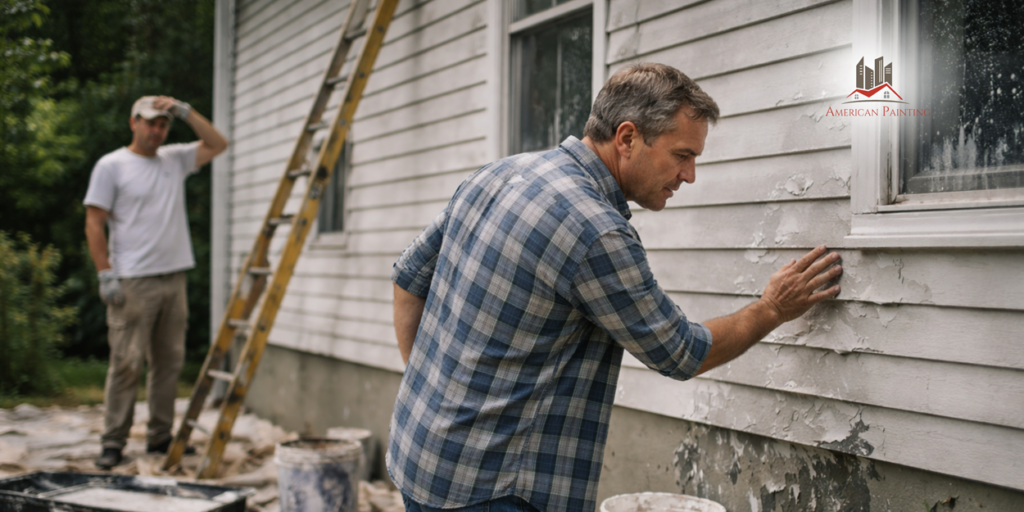
Your home is likely your largest financial asset. A proper paint job seals the surfaces, prevents moisture damage, and slows aging. Yet, when it comes to maintaining its exterior paint, ​many of us homeowners approach the task with a dangerous attitude of cost-cutting and misinformation. The result? Frustrating experiences, substandard results, and frequent do-overs.  If you are looking to refresh your house paint, you need to hire professional exterior house painting services to ensure that your home remains protected and beautiful. And to do that, you also need to avoid these common and heavy on the wallet mistakes, especially if you are someone who lives in San Diego. Let’s see what those mistakes are. Why Hiring the Right Painter Matters More than the Paint Brand? There is one thing that you should understand: cracking and peeling paint rarely happen because of paint quality. It happens because of poor preparation and application. Even premium coating fails if: Surfaces are dirty Moisture is trapped The wrong primer is used Sanding of the wall is not done properly Temperature conditions are ignored Professional painting is a technical service, not just a cosmetic one. A trained San Diego exterior house painter or any qualified professional in your region will focus more on preparation rather than just rolling on the paint. Things Not To Do While Choosing a Professional House Painter Choosing the Cheapest Bid Let’s be blunt: if one quote is $2,000 cheaper than the others, you aren’t getting a deal. You are probably being scammed. High-quality resins, pigments, and experienced labour are expensive.  When a so-called expert gives you a bottom-barrel price for exterior house painting in San Diego, CA, they are cutting corners. Usually, it’s by skipping the workers’ comp insurance, which puts your house at risk if they fall, or by using contractor-grade paint that is essentially colored water with zero UV resistance. Skipping Prep The biggest lie in the industry is that you can just scrape the loose paint and start painting. Ask any legitimate expert how to paint the exterior of the house correctly, and they’ll tell you that a great paint job is 70% preparation and 30% application. If your contractor isn’t doing the following, it’s time you call another: Pressure Washing: Simply spraying water isn’t enough. You need to kill the spores. If you paint over mildew, it will eat the paint from the inside out. Scraping & Sanding: Old and flaking paint must be sanded off to create a smooth and bondable surface for a new layer of paint. Priming: Skipping the primer before painting is a bad idea. It is essential because it acts as a glue between the substrate and the topcoat. Believing Paint Should Last 20-25 Years When asking how often to paint the house exterior, you cannot expect a single number. In a vacuum, it’s 7 years. In reality, it depends on your climate. If your home has zero shade and faces the south, you might need a refresh every 5 years to prevent the wood from cracking. If you wait until the paint is visibly failing, you’ve already lost. At that point, you aren’t paying for a paint job; you’re paying for a restoration, which costs three times as much. Hiring Without Local Expertise Searching for exterior house painting in San Diego requires finding someone who understands our specific environmental stressors. We deal with high UV indexes and salt-laden air. A contractor who moved here last month from the Midwest might try to use products that work in humidity but fail miserably under the intense California sun. You need 100% acrylic latex formulas with high solar reflective values. If your painter doesn’t mention how the sun affects pigment breakdown, they aren’t the right expert for the job Choosing the Wrong Paint Homeowners often see a famous brand name on a bucket and assume it’s high quality. Every major paint company has a cheap version for property managers who just want to flip an apartment. If your contract for the paint job just says Sherwin-Williams or Benjamin Moore without specifying the exact product line (like Emerald or Regal Select), the contractor is likely going to buy the $25-a-gallon bucket instead of the $80-a-gallon bucket. The difference in life expectancy is about five years. Failing to Get a Detailed Written Contract A professional painter will provide an accurate estimate with everything mentioned in detail. It should explicitly state: Exact Paint Brand and Line: Number of Coats Specific Areas Included Clean-up Procedures Choosing the Wrong Sheen Color is subjective, but sheen is functional. Flat/Matte: Great for hiding imperfections, but it holds onto dirt and is harder to clean. Satin/Eggshell: This is the gold standard for exteriors. It has a slight luster that sheds water and resists fading. Semi-Gloss: Usually reserved for trim, doors, and shutters. It’s highly durable but will highlight every dent or scratch in the wood. Not Checking References or Recent Portfolios In the age of digital filters, photos can be deceiving. Don’t just look at a contractor’s website. Ask for the addresses of three homes they painted three to five years ago. Go look at them if you can. Is the paint still vibrant? Is there cracking at the joints? A paint job that looks good the day it’s finished means nothing. A paint job that looks good after three summers in the sun is the sign of a true professional. Not Planning Maintenance After Painting A paint job is a proper maintenance cycle. You extend life by: Yearly washing Sealing small cracks early Touching up exposed areas Cleaning mildew Homeowners who do nothing shorten their paint’s lifespan by years. Wrapping Up Hiring the right team to protect your home’s exterior is an investment in your property’s longevity. While it is tempting to go with the fastest or cheapest option, the reality of home maintenance is that you usually get exactly what you pay for.  By focusing on preparation, demanding high-quality materials, and hiring local experts who understand your specific

8 Mistakes Homeowners Make When Hiring Exterior House Painting Services Read More »

How Do I Clean a Paint Roller​

How Do I Clean a Paint Roller?

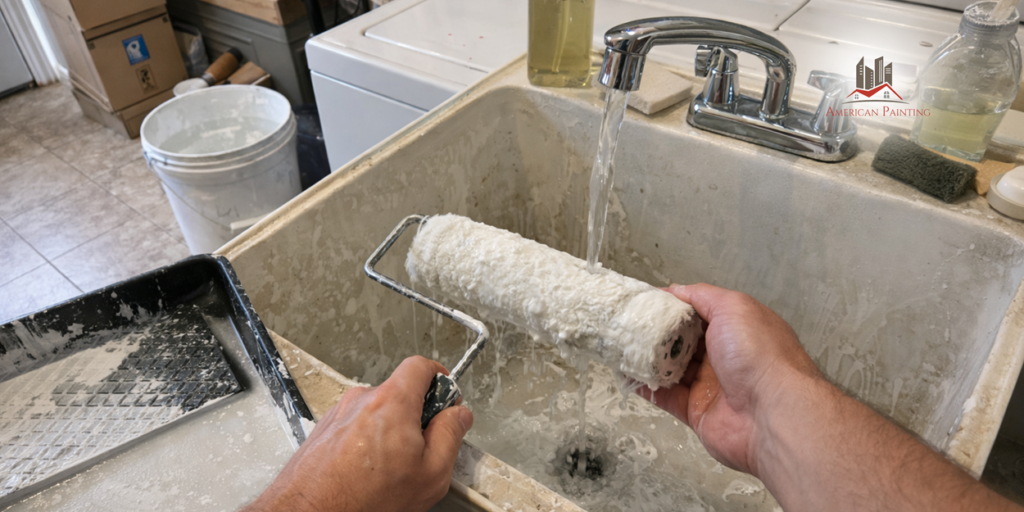
If you’ve ever finished painting and stared at a soggy paint roller with paint dripping off it, you’ve probably asked yourself: Should I clean this or just throw it away? Well, you’re not alone. A properly cleaned roller can last multiple projects and give smoother finishes. A poorly cleaned one, on the other hand, will ruin your next coat in seconds. This guide walks you through the professional way, the same approach used in real house painting at San Diego job sites, without shortcuts. Keep on reading! Step-by-Step Guide to Cleaning Your Paint Roller Step 1: Remove Excess Paint First The biggest mistake people make is taking a paint roller with paint still dripping from it straight to the sink. You are just asking for a clogged drain and a massive mess. Scrape it Down: Use a 5-in-1 tool or the curved edge of a putty knife. Run it down the length of the roller over the paint tray to squeeze out the excess. You’ll be surprised how much usable paint is still trapped in the fibers. The Roll-Out: Find a scrap piece of cardboard or a heavy-duty paper bag. Roll the tool until it stops leaving significant marks. The less paint you take to the water, the faster the job goes. Step 2: The Cleaning Process (Water-Based Paints) If you’re using standard latex or acrylic, warm water is your best friend. Slide it Off: Remove the roller sleeve from the frame. If you leave it on, the paint dries inside the tension springs, and the roller will eventually stop spinning smoothly. Submerge and Massage: Fill a bucket with warm water and a few drops of dish soap. Submerge the sleeve and use your hands to work the paint out of the core. Use a Paint Roller Cleaner: For those who paint frequently, a spinning paint roller cleaner tool is a game-changer. These mechanical spinners use force to whip the water and paint out of the fur in seconds. It’s the only way to get the deep fibers truly clean. Step 3: Cleaning Oil-Based Paints If you’ve been using oil-based stains, water won’t help. You’ll need mineral spirits or paint thinner. Fill a small container with the solvent. Agitate the roller in the solvent until the paint thins out. Repeat with a second clean wash of solvent. Make sure to never pour these solvents down the drain. Store them in a sealed jar until the paint solids settle, then reuse the clear liquid. Step 4: Drying How do I clean a paint roller so it doesn’t get crusty? The answer is in the drying. Never lay a wet roller flat on its side. The fibers will mat down and dry in a flat bald spot, making your next coat of paint look streaky. Is a Used Paint Roller Even Worth Saving? If the paint has already started to harden in the fibers, just toss it. A poorly cleaned roller will leave dried flakes on your freshly painted walls, ruining a professional finish. However, if you follow the steps mentioned above immediately after the job, that roller will be ready for the next paint job. Final Thoughts Knowing how to clean a paint roller properly saves money, improves finish quality, and avoids frustrating repainting later. The difference between DIY-looking walls and professional results often comes down to tool care and not just technique. If you’d rather skip the cleanup, prep work, and risk of uneven coats, professional exterior painters handle all of this automatically, and your walls show it.

How Do I Clean a Paint Roller? Read More »

Benjamin Moore Vs Sherwin Williams - American Painting

What is Better Quality, Sherwin-Williams or Benjamin Moore?

When you decide to invest in a professional paint job, you aren’t just paying for a change in color. You are paying for chemistry, durability, and the long-term protection of your home’s surfaces. In the world of premium coatings, two titans dominate the conversation: Sherwin-Williams and Benjamin Moore. If you ask ten different professional painters which brand is superior, you will likely get ten different answers based on regional availability, personal application style, and specific product lines. However, when we look at the chemical composition, ease of use, and real-world longevity, a clearer picture begins to emerge. This guide breaks down the reality of the Benjamin Moore vs Sherwin Williams argumentto help you decide which bucket of paint belongs in your home. The Professional Standard: Is Benjamin Moore a High-End Paint? Before comparing the brands, we must address their reputations. People often ask, is Benjamin Moore high-end paint? The answer depends on what you consider to be high-end. Both companies offer “contractor-grade” entry-level products, but Benjamin Moore has built its entire brand identity around being a slightly more premium, boutique-style manufacturer. Unlike Sherwin-Williams, which operates thousands of corporate-owned stores, Benjamin Moore is sold through independent dealers. By creating their own waterborne colorants that don’t weaken the paint’s integrity, they have solidified their status as a high-end choice for designers and high-end residential contractors. What is Better Quality: Sherwin-Williams or Benjamin Moore? Quality in paint is measured by solids, which are the pigments and binders left behind on the wall after the water or solvent evaporates. Higher solids generally mean better coverage and a more durable film. Benjamin Moore Quality Factors Benjamin Moore is often cited for its incredible leveling properties. This means when the paint is applied, it lies down smoothly, hiding brush marks and roller textures better than many competitors. Their flagship lines, such as Aura and Regal Select, are widely considered the gold standard for rich pigment depth. The paint film remains hard and resistant to surfactant leaching (those oily streaks you sometimes see in bathrooms). Sherwin-Williams Quality Factors Sherwin-Williams is the workhorse of the American painting industry. Their high-end lines are chemically engineered for extreme durability. While some professionals argue that Sherwin-Williams requires a slightly more skilled hand to avoid lap marks, their top-tier products are virtually indestructible once cured. In the battle of Sherwin-Williams vs. Benjamin Moore, the better quality often depends on the goal. If you want the most beautiful, smooth finish for an interior living room, Benjamin Moore often wins. If you want a rugged, scrubbable exterior that can survive a harsh sun exposure or coastal moisture, Sherwin-Williams’ top-tier lines are hard to beat. The Cost Factor: Is Benjamin Moore More Expensive Than SW? Price is often the deciding factor for homeowners, but it is also the most misunderstood aspect of the industry. Retail Pricing: If you walk into a Benjamin Moore dealer and a Sherwin-Williams store as a DIYer without a discount coupon, Benjamin Moore’s premium lines usually carry a higher price than Sherwin-Williams’ equivalents. The Discount Factor: Sherwin-Williams is famous for its aggressive marketing due to its corporate culture. They frequently run 30% to 40% off sales. Without these sales, Sherwin-Williams can actually feel more expensive than it should be. Ultimately, while the sticker price on a gallon might be higher, you have to consider yield. If a high-quality paint covers in two coats while a cheaper paint takes three, the expensive paint is actually the cheaper option. Durability and Lifespan: Does Benjamin Moore Paint Last Longer Than Sherwin-Williams? When you spend thousands on a professional paint job, you want it to last you for at least a couple of years. The reality is that at the highest levels of both brands, the lifespan is nearly identical, provided the surface preparation was done correctly. Paint failure is almost always a result of poor prep, not poor paint. However, there are some factors to consider: Interior Longevity: Benjamin Moore tends to hold their sheen longer. In high-traffic hallways, the film stays looking new under repeated scrubbing. Exterior Longevity: Sherwin-Williams products are specifically formulated with high-build technology. They create a thicker coating that expands and contracts with the temperature. In many professional circles, Sherwin-Williams is the preferred choice for San Diego exteriors because of its proven track record against UV degradation. Color Retention: Benjamin Moore’s paint technology is superior for color retention in dark colors. If you are painting your house a deep navy or forest green, Benjamin Moore is less likely to fade into a chalky grey over five years. Comparing the Specific Product Lines To truly understand the difference between the two, you have to compare them accordingly. You cannot compare a budget Sherwin-Williams “Property Management” paint to Benjamin Moore Aura. The Ultra-Premium Tier Benjamin Moore Aura ($95-$115 per gallon): Known for “Color Lock” technology. It is thick, dries incredibly fast, and offers the richest colors in the industry. Sherwin-Williams Emerald ($100-$115 per gallon): Exceptional hide and washability. It is a dream to apply for professionals and offers a very sleek finish. The Professional Standard Tier Benjamin Moore Regal Select ($75-$85 per gallon): This is perhaps the most loved paint by contractors. It is reliable, easy to use, and has a beautiful finish. Sherwin-Williams Duration ($85-$98 per gallon): A heavy-bodied paint that is excellent for hiding small imperfections in the drywall or siding. The Entry-Level Tier Benjamin Moore Ben ($45-$58 per gallon): A solid choice for low-VOC, budget-friendly painting. Sherwin-Williams SuperPaint ($60-$80 per gallon): A classic, reliable paint that has been a staple in the industry for decades. It is a major misconception among homeowners that you can just color-match the paint with a cheaper brand and cut costs. That is almost an impossible task because both the brands in question use different tinting systems. The colors will never be 100% identical. The way the light hits the pigment is different. So, if you happen to love a color by a specific brand, buy it without any doubts. Bottom Line: Which

What is Better Quality, Sherwin-Williams or Benjamin Moore? Read More »

Satin vs Gloss - American Painting

Satin vs. Gloss Finish: Which Sheen is Right for Your Home?

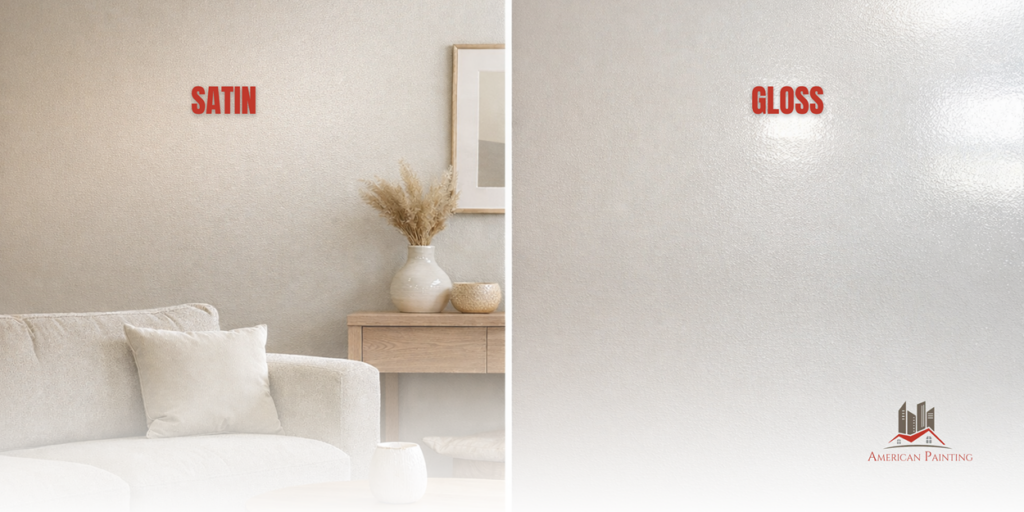
Choosing a paint color for your home is only half the battle. Selecting the right sheen determines how that color behaves, how long it lasts, and how much work it takes to keep it clean. In the professional world, the debate often comes down to satin vs gloss. While both offer a step up in durability from flat or eggshell paints, they serve vastly different functional and aesthetic purposes. What is the Difference Between the Botm Visually: Satin vs Gloss The most immediate difference is how these finishes handle light. Satin Finish: Known for its velvety, glow-like appearance, it is much more subdued. It reflects enough light to give a room dimension without creating harsh glares. Because it scatters light rather than reflecting it directly, it is significantly better at hiding minor dings, patches, or orange peel textures on your walls. Gloss Finish: This is the high-performance, high-shine option. It creates a crisp, almost glass-like surface that reflects light aggressively. This makes colors appear more vibrant and saturated. But it comes with a warning. Gloss will highlight every single brush mark, roller ridge, or uneven patch on the substrate. Durability and Maintenance: Which is the Better Option? If you are painting a high-traffic area, durability is non-negotiable. Scrubbability: Gloss is a much better choice in this scenario. Because the finish is slick and hard, dirt and grease sit on top of the surface rather than soaking in. This makes it ideal for areas prone to fingerprints, like doors and window casings. Moisture Resistance: Gloss finishes act as a better barrier against humidity and steam. In small bathrooms with poor ventilation, a glossier finish can help prevent mildew from taking hold as easily as a matte or satin finish might. Professional Recommendations: Room-by-Room Trim, Doors, and Cabinets: Stick with Gloss. These surfaces are touched constantly and take the most abuse. The high shine also creates a beautiful architectural contrast against flatter walls. Kitchen and Bathroom Walls: Use satin because it provides the necessary moisture resistance without making your walls look like an institutional hallway. Hallways and Entryways: Satin is the way to go. It handles the rough and tough of daily life while keeping the lighting soft and welcoming. Ceilings and Master Bedrooms: It is best to avoid both. These areas usually benefit from the flat look that hides imperfections and creates a cozy atmosphere. Wrapping Up The choice between two isn’t just about what looks pretty. It’s about how much prep work you’re willing to do and how often you plan on cleaning. Gloss requires a perfectly sanded, flawless surface to look good, while satin is far more forgiving for the average DIYer or older home. Not sure which sheen will handle the San Diego sun or your family’s daily wear and tear? At American Painting, we specialize in matching the right high-end products to your home’s unique needs. From flawless cabinet refinishing to protective exterior coatings, we ensure your finish is as durable as it is beautiful. FAQ Is satin paint too shiny for walls? No, it is the standard for kitchens and bathrooms because it offers a soft glow. However, it will highlight wall bumps more than a flat finish. Make sure to prepare your walls well. Is satin or gloss better for a modern look? Modern design favors low luster and velvety finishes. Gloss is typically seen as more traditional, though it works well as a high contrast accent on modern cabinets. Does satinwood stay white longer than gloss? Yes, traditional oil-based gloss yellows quickly in low light. Water-based satinwood retains its true white much longer without turning old. Should I use gloss or satinwood? Use gloss for a mirror-like shine and easy cleanability. You can use satinwood for a contemporary look on baseboards and interior doors. Is satin too shiny for a living room? The choice is pretty subjective, but yes, in a living room, satin can look plastic under bright light.

Satin vs. Gloss Finish: Which Sheen is Right for Your Home? Read More »

Paint Kitchen Cabinets - American Painting

How to Paint Kitchen Cabinets: Expert Tips for a Professional Finish

Painting your kitchen cabinets can completely transform the look and feel of your kitchen. But it’s one of those projects that sounds easy until you’re elbow-deep in sanding dust and streaky paint. In this guide, we’ll break down exactly how to paint kitchen cabinets so you get a professional-level finish, whether you’re DIYing or considering hiring a kitchen cabinet painting service. Why Painting Cabinets Is Different from Walls Painting kitchen cabinets is not like rolling a fresh coat on your living room. Cabinets have edges, recessed panels, hardware, and surfaces that see constant use. They need a finish that’s tough, smooth, and durable. When you skip proper prep or rush the paint stage, you end up with: Visible brush marks Drips and uneven coverage Paint that chips or wears prematurely This is especially noticeable in busy kitchens where doors and drawers are constantly touched. That’s why understanding the process matters. Step-by-Step: How to Paint Kitchen Cabinets Remove and Label Everything Before you paint a single surface: Remove doors, drawers, and all hardware Label each piece so you know where it goes Organize screws and hinges in separate bags This seems obvious, but many DIYers skip this and end up with mismatched doors or hardware chaos. Prep Thoroughly Prep is where professional results are earned. Clean every surface with a degreaser. Kitchens accumulate oils and grime that will repel paint if left behind. Sand all surfaces to dull the factory finish. This gives the new paint a surface it can actually grip. If you skip sanding, even the best paint won’t stick. Choose the Best Paint for Cabinets Walls and cabinets require different formulas of paint. Cabinets need paint that dries hard and resists scratching and scuffing. For kitchen cabinet paint, look for: Semi-gloss or satin finishes (durable and easy to clean) Cabinet or trim formulas High-quality brushes or rollers that don’t leave lint If you use cheap wall paint, you’ll be repainting sooner than you think. Try Painting Cabinets with a Spray Gun Using a spray gun is the method professionals swear by and for good reason. A spray gun delivers: Ultra-smooth finish No brush or roller marks Faster application on detailed cabinet faces However, spraying is not a magic shortcut. It requires: Proper ventilation Masking off areas meticulously Experience with trigger control and paint consistency If you’ve never used a spray gun before, practice first or consider hiring a pro. In inexperienced hands, spraying can waste paint and create overspray messes. Reassemble Carefully Once fully dry, reattach doors and hardware. Use your labels so everything goes back exactly where it belongs. Inspect every corner before you call it done. Cabinet painting isn’t finished until you live with it for a day and check how it handles normal kitchen use. When to Hire a Professional Kitchen Cabinet Painting Service If your kitchen cabinets have: Complex detailing Multiple finishes (like stained wood and paint) Large kitchen footprint Time constraints Then consider a kitchen cabinet painting expert for the job. Professionals not only have the tools (like spray guns and respirators) but also the systems to prep, paint, and finish efficiently and reliably. Final Takeaway Painting your kitchen cabinets can transform your kitchen when done right. Proper prep, the right paint, and careful application make all the difference. Whether you DIY or hire a professional, following these steps ensures a smooth, durable, and beautiful finish that lasts for years.

How to Paint Kitchen Cabinets: Expert Tips for a Professional Finish Read More »

Sherwin Williams vs. Behr Pain

Sherwin-Williams vs. Behr Paint: Which One Actually Lasts Longer?

Choosing paint for your home seems simple until you’re standing in front of dozens of cans, each promising flawless coverage, long-lasting color, and professional results. That’s usually when you start comparing the most hyped paints in the market: Sherwin-Williams vs. Behr Paint. Does one actually outperform the other, or is it all just branding? The debate around both is especially loud because both brands dominate the market, but they’re built for very different types of users. On paper, they may look similar. In real-world use, the differences become far more noticeable. This article breaks down Behr vs. Sherwin-Williams without any brand bias. We’ll look at durability, coverage, application, cost versus long-term value, and what experienced painters consistently see on real jobs. If you’re planning to paint your home and want to make a decision you won’t regret a few years down the line, this guide is written for you. Understanding the Brands Before we compare both paint brands, it’s important to understand who these brands are and who they serve. Behr Paint is sold exclusively at The Home Depot. It’s accessible, affordable, and designed to be approachable for the everyday homeowner, especially DIYers. It can perform very well, especially the higher-end lines like Marquee and Premium Plus Ultra, but it’s fundamentally a retail product that’s engineered to appeal to broad use. Sherwin-Williams, on the other hand, is a brand frequently chosen by professionals. It’s sold through Sherwin-Williams stores or authorized dealers and positions itself as a premium manufacturer. Many of its products are tailored to professional needs such as durability, coverage, consistency, washability, and long-term performance. So when you ask which is better: Behr or Sherwin-Williams, the answer isn’t purely about cost or brand name. It’s about your expectations versus the reality of performance. Sherwin-Williams vs. Behr Paint: Key Performance Differences That Matter Performance & Durability If you’re repainting a room or an entire house, you want the paint to last. The worst outcome is paying for a coat that peels, fades, chalks, or stains after just a few years. Sherwin-Williams: Across multiple comparisons, Sherwin-Williams paints tend to outperform Behr on durability, resistance to wear, and overall toughness. Their premium lines like Duration, Emerald, and Cashmere are engineered to resist scuffing, maintain color, and stand up to scrubbing without wearing through. This becomes especially relevant in areas with high traffic, kids, pets, or intense sunlight, where low-tier paints will begin to show wear far earlier. Behr Paint Behr paints, especially the premium variants, offer good performance for many residential use cases. They’re thick, they cover well, and they can even hit one-coat coverage in lighter color changes. That’s why many DIYers swear by Behr for interior walls. But here’s the reality that professionals frequently point out: Behr’s formulations often don’t stand up to prolonged scrubbing or heavy wear as well. There’s also anecdotal evidence from experienced painters that some Behr lines may fade, chip, or show imperfections sooner. Coverage & Application Coverage Efficiency A gallon of paint might list a theoretical coverage range, but in real life, the performance varies: Sherwin-Williams paint often covers slightly more surface per gallon and tends to spread more evenly. This means fewer coats may be needed, especially on deeper or darker colors. Behr paint is very thick. That thickness can help mask darker underlying colors in fewer coats, but it also can make application tricky for brush or roller work. Thicker is not always better. Paint that’s too viscous can drip, blob, and leave texture inconsistencies unless applied carefully by an experienced hand. Ease of Use Professionals often note that Sherwin-Williams paints are easier to apply cleanly. They level out more naturally and are less prone to showing brush or roller marks. That’s not trivial. Better flow and leveling lead to a smoother finish that stands up better to the eye over time. Behr’s thicker formulas can be forgiving at first, which is great for DIYers wanting quick tint coverage, but they can also trap flaws and look inconsistent if not applied meticulously. Sheen & Color Selections Both brands offer a wide range of sheens like matte, eggshell, satin, semi-gloss, and high gloss. Color consistency over time leans toward Sherwin-Williams. Faster fading, particularly on exterior walls in sun-baked climates like San Diego, is a common complaint among homeowners using lower-end paints. Behr’s range is impressive, and in practical terms, you can get most colors you’ll ever want. But you might not always find that subtle undertone, precise match to trim, or specific interior feel. Cost vs. Value On price alone, Behr appeals. It’s typically significantly less expensive per gallon than comparable Sherwin-Williams products. But the truth is that paint isn’t just about upfront cost, it’s about total investment. In many climates, premium paint costs less per year of performance than budget alternatives that need repainting sooner. In fact, real professionals who buy at wholesale pricing often find that the cost difference becomes nearly negligible, especially when balanced against better coverage, fewer coats, and less labor time. Which Paint Do Professionals Prefer and Why? Painting professionals rarely pick paint based on brand loyalty. They choose based on performance in the real world, especially under the pressure of deadlines and high expectations from clients. Across countless professional conversations on different public forums, there’s a clear trend: Pro painters tend to prefer Sherwin-Williams for long-term reliability and finish quality. Behr is often chosen only when clients buy it themselves or when the budget is the top priority. Conclusion If you want the best possible finish, durability, and professional-caliber longevity, Sherwin-Williams comes out ahead. Its paints are engineered for performance, favored by experienced painters, and deliver superior washability and coverage. If you want good performance at a lower cost for DIY projects or less critical areas, Behr can be a smart choice. It’s thick, accessible, and often simple to apply. Just know its limitations compared to pro paint. Looking for a Reliable House Painter in San Diego, CA? Choosing between these paint brands is just one step.

Sherwin-Williams vs. Behr Paint: Which One Actually Lasts Longer? Read More »