
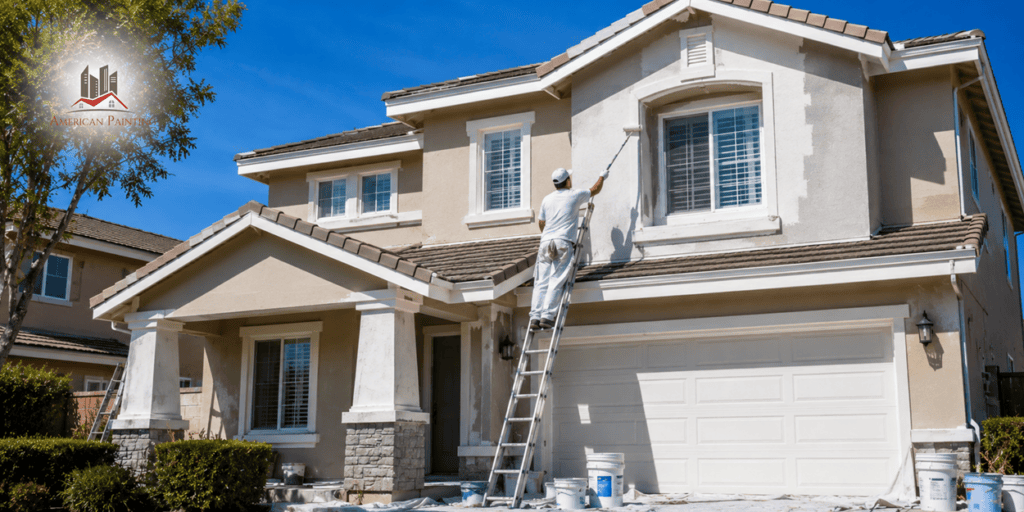
A fresh coat of paint can completely change the look of a home, but in California, appearance is only part of the story. The state’s climate varies from hot inland valleys to cool coastal towns, and that has a big impact on how long paint lasts. Many homeowners assume every premium paint performs the same, but that’s rarely true. The best exterior paint is the one that matches your home’s surface and the weather it faces every day.
What Is the Best Exterior Paint for California Homes?
For most California homes, a high-quality 100% acrylic exterior paint is a practical choice because it offers a balance of durability, flexibility, color retention, and weather resistance. However, the best exterior paint depends on the home’s surface, sun exposure, and local climate.
- For stucco homes: Choose a breathable exterior coating specifically formulated for stucco or masonry.
- For homes in hot inland areas: Look for strong UV resistance and color retention. Solar-reflective coatings may also be worth considering when reducing heat absorption is a priority.
- For coastal homes: Prioritize moisture resistance, reliable adhesion, and a coating suitable for salt-air exposure.
- For stucco with hairline cracks: Consider an elastomeric coating if the surface condition and product specifications make it appropriate.
- For wood siding: Select an exterior paint designed for wood, with suitable flexibility and moisture protection.
Proper surface preparation, repairs, primer selection, and application are just as important as choosing the paint itself. Before making a final decision, match the coating to your home’s exterior material and the manufacturer’s application recommendations.
Does California’s Climate Really Affect Exterior Paint?
Absolutely, homes in Southern California deal with intense sunlight for most of the year. In coastal areas, salt in the air and higher humidity can wear down paint over time. Mountain regions experience larger temperature swings that cause exterior surfaces to expand and contract.
That’s why durability matters just as much as colour. A paint that performs well in a mild climate may not hold up nearly as long on a California home.
For homeowners in San Diego, local conditions matter too. A coastal home may deal with moisture and salt air, while an inland home can receive stronger heat and direct afternoon sunlight. Choosing paint based on the home’s actual exposure can help improve its long-term performance.
What Type of Exterior House Paint Lasts the Longest?
Professional painters generally recommend 100% acrylic exterior house paint for most California homes, and there’s a good reason for it. It tends to:
- Resist fading caused by UV rays.
- Stay flexible instead of cracking as temperatures change.
- Handle light rain and moisture without peeling.
- Keep its colour longer than lower-quality alternatives.
While cheaper paints may save money upfront, they often need repainting much sooner. Spending a little more on quality paint usually costs less over the life of your home.
Which Exterior Paint Is Best for Different California Homes?
The best exterior coating varies by surface material and environmental exposure. Use this comparison as a starting point when choosing paint for your property.
| Home Type or Condition | Recommended Paint or Coating | What to Look For |
|---|---|---|
| Most California homes | 100% acrylic exterior paint | Durability, flexibility, and color retention |
| Stucco and masonry | Acrylic masonry paint or a suitable stucco coating | Breathability, adhesion, and alkali resistance |
| Stucco with hairline cracks | Compatible elastomeric coating, where appropriate | Crack-bridging capability and moisture management |
| Wood siding | Exterior paint formulated for wood | Flexibility, moisture resistance, and reliable adhesion |
| Hot inland locations | UV-resistant exterior paint; consider solar-reflective coatings where suitable | Fade resistance and solar reflectance |
| Coastal homes | Exterior coating suitable for coastal exposure | Moisture resistance, adhesion, and substrate protection |
Important: These are general guidelines, not universal product specifications. Check the manufacturer’s technical data sheet and confirm that the coating is compatible with the existing surface and any previous paint layers. An elastomeric coating is not automatically the best solution for every stucco wall.
What’s the Best Paint for Stucco Homes?
Stucco is one of the most common exterior finishes in California, but it behaves differently from wood siding. It naturally develops tiny hairline cracks as it expands and contracts, so the coating needs enough flexibility to move with it.
When choosing the best paint for Stucco, look for products that are breathable and formulated for masonry surfaces. If your stucco already has small cracks, an elastomeric coating may be worth considering because it helps bridge those imperfections while keeping moisture out.
Before painting stucco, the surface should also be properly cleaned and repaired. Covering dirt, loose material, or damaged areas with a new coat of paint can lead to problems later.
For homes that need additional protection from San Diego’s sun and coastal conditions, TEX-COTE Coolwall coatings are another option worth discussing with a professional.
What Is the Best Exterior Paint for Hot Climate Areas in California?
For homes in hot inland areas of California, choose an exterior paint with strong UV resistance, good color retention, and proven performance on the home’s specific exterior material. If reducing solar heat absorption is also a priority, consider whether a compatible solar-reflective wall coating is suitable for your home.
Three factors deserve particular attention:
- UV and color resistance: Prolonged sunlight can fade exterior colors and contribute to surface chalking. Choose a quality formulation designed to maintain its appearance under outdoor exposure.
- Solar reflectance: Some specialty coatings are designed to reflect more sunlight than conventional finishes. Their effectiveness depends on the product, color, surface, and installation.
- Surface preparation: Remove dirt and loose paint, repair damaged areas, and use the appropriate primer before applying the finish coat.
It is important to distinguish ordinary durable paint from a solar-reflective coating. A paint can resist fading without being specifically designed to reduce solar heat gain. Likewise, a reflective coating should not be assumed to lower indoor temperatures by a particular amount without considering the home’s construction, insulation, windows, and other factors.
For homes in particularly hot locations, ask a painting professional whether a standard exterior acrylic paint or a compatible reflective coating better suits your priorities.
What Are the Best Exterior Paint Colors for California Homes?
The best exterior paint color depends on your home’s architectural style, surroundings, and exposure to sunlight. California homeowners can choose from warm neutrals, soft whites, earthy tones, and deeper accent colors, but the finish and color should also suit the property’s climate and exterior material.
Here are a few options to consider:
- Warm white and cream: Suitable for homeowners who prefer a bright, classic exterior appearance.
- Beige and greige: Versatile neutral options that complement many stucco homes and natural landscapes.
- Light gray: A contemporary choice that works well with a range of architectural styles.
- Earthy tan and muted brown: Often complement stucco, stone, landscaping, and other natural finishes.
- Deep gray, navy, or other dark accents: Useful for highlighting doors, shutters, and architectural details.
Color also affects how much sunlight a surface absorbs or reflects. Lighter finishes generally reflect more sunlight than darker finishes, although the actual performance depends on the coating’s solar-reflectance properties. Some specialty paints use reflective pigments to offer additional options for homeowners who prefer darker colors.
Before committing to a color, test samples on different sides of the house and observe them in morning and afternoon light. Ask the manufacturer or painting contractor about color retention, the recommended finish, and suitability for your exterior surface.
How Long Does Exterior Paint Last in California?
There isn’t one exact lifespan for every California home. Paint can last longer or shorter depending on the surface, product, preparation, weather exposure, and maintenance.
Homes exposed to strong sunlight, coastal conditions, or frequent temperature changes may show signs of wear sooner.
Instead of waiting for the paint to fail completely, look for signs such as fading, peeling, cracking, chalking, bubbling, or exposed areas.
Frequently Asked Questions About Exterior Paint for California Homes
1. What is the best exterior paint for California homes?
For many California homes, high-quality 100% acrylic exterior paint is a practical option because of its durability, flexibility, and color retention. The best choice depends on the exterior material, local weather conditions, and the manufacturer’s product specifications.
2. What is the best exterior paint for stucco homes?
A quality acrylic paint formulated for stucco or masonry is a common choice. The product should be compatible with the existing surface and allow appropriate moisture movement. If the stucco has cracks or moisture problems, assess and repair the underlying issues before selecting a coating.
3. Is elastomeric paint better than acrylic paint for stucco?
Not in every situation. Standard 100% acrylic paint is suitable for many properly prepared stucco surfaces, while elastomeric coatings may be appropriate for certain surfaces with hairline cracks or specific waterproofing requirements. The choice depends on the wall’s condition, moisture exposure, and product compatibility.
4. What is the best exterior paint for hot weather in California?
Choose an exterior paint designed for your home’s surface with good UV resistance and color retention. In particularly sunny inland locations, a compatible solar-reflective coating may also be worth considering if reducing solar heat absorption is a priority.
5. What exterior paint is best for coastal homes in San Diego?
Coastal homes should use a coating suitable for the exterior material and its moisture exposure. Reliable adhesion, appropriate moisture resistance, and thorough surface preparation are important. Salt deposits, deteriorating paint, and any underlying moisture problems should be addressed before repainting.
6. How long does exterior paint last on a California home?
There is no single lifespan that applies to every California home. Durability depends on the paint formulation, surface material, preparation, application, sun exposure, moisture, and maintenance. Inspect the exterior periodically for fading, chalking, peeling, bubbling, and cracking rather than relying on a fixed repainting schedule.
7. Can exterior paint help keep a California home cooler?
Some solar-reflective exterior wall coatings can reduce the amount of solar energy absorbed by walls. However, ordinary exterior paint does not automatically provide this benefit. Performance depends on the coating’s solar reflectance, color, installation, and the building’s overall design.
8. What should homeowners do before repainting an exterior wall?
Clean the surface, remove loose or failing paint, repair cracks and damaged areas, and resolve any moisture problems. Apply a suitable primer where required, then follow the coating manufacturer’s instructions for application conditions and coverage.
9. How can homeowners choose between exterior paint brands?
Compare the products’ technical data sheets, approved surfaces, documented performance characteristics, warranty terms, and preparation requirements. Also consider the contractor’s experience with the specific product and the exposure conditions at your property. No single brand is automatically the best for every California home.
Final Thoughts: Choosing the Best Exterior Paint for California Homes
The best exterior paint for California homes depends on three key factors: the surface being painted, the home’s local climate, and the quality of surface preparation. For many properties, a high-quality 100% acrylic exterior paint provides a practical balance of durability, flexibility, and color retention. Stucco, wood siding, and homes exposed to coastal moisture may require different products or preparation methods.
For homeowners in San Diego, the difference between coastal and inland conditions is especially important. Strong sunlight, salt-air exposure, existing surface damage, and moisture problems should all be considered before selecting a coating. Specialty solar-reflective or elastomeric coatings may be appropriate for particular projects, but they are not necessary for every home.
Before starting an exterior painting project, compare product specifications, confirm that the coating suits your surface, and make sure the estimate includes proper preparation and application.
If you are planning to repaint your home, American Painting can help you explore exterior painting options for your property’s needs. You can also learn more about our exterior painting services or TEX-COTE Coolwall coatings to understand which solutions may be suitable for your home.