
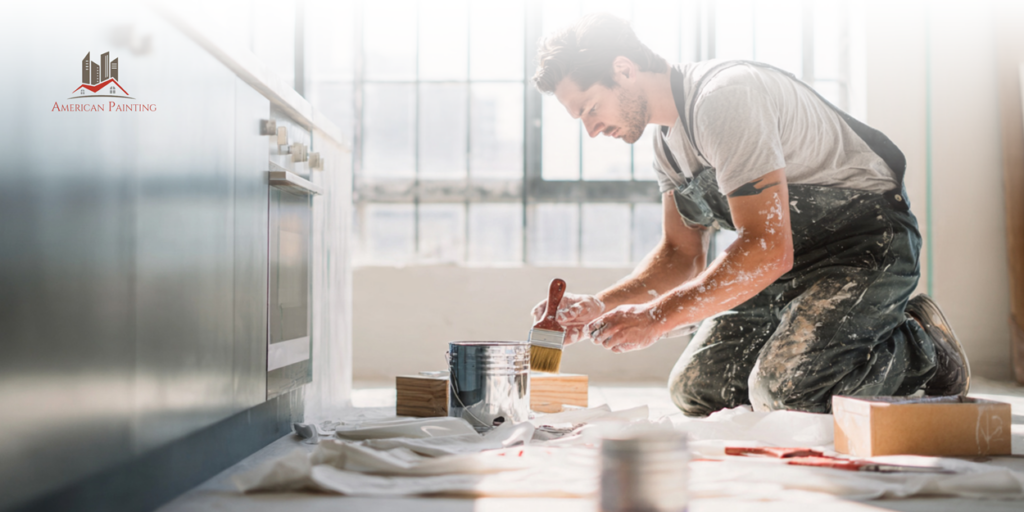
Painting your kitchen cabinets can completely transform the look and feel of your kitchen. But it’s one of those projects that sounds easy until you’re elbow-deep in sanding dust and streaky paint.
In this guide, we’ll break down exactly how to paint kitchen cabinets so you get a professional-level finish, whether you’re DIYing or considering hiring a kitchen cabinet painting service.
Why Painting Cabinets Is Different from Walls
Painting kitchen cabinets is not like rolling a fresh coat on your living room. Cabinets have edges, recessed panels, hardware, and surfaces that see constant use. They need a finish that’s tough, smooth, and durable. When you skip proper prep or rush the paint stage, you end up with:
- Visible brush marks
- Drips and uneven coverage
- Paint that chips or wears prematurely
This is especially noticeable in busy kitchens where doors and drawers are constantly touched. That’s why understanding the process matters.
Step-by-Step: How to Paint Kitchen Cabinets
Remove and Label Everything
Before you paint a single surface:
- Remove doors, drawers, and all hardware
- Label each piece so you know where it goes
- Organize screws and hinges in separate bags
This seems obvious, but many DIYers skip this and end up with mismatched doors or hardware chaos.
Prep Thoroughly
Prep is where professional results are earned. Clean every surface with a degreaser. Kitchens accumulate oils and grime that will repel paint if left behind. Sand all surfaces to dull the factory finish. This gives the new paint a surface it can actually grip. If you skip sanding, even the best paint won’t stick.
Choose the Best Paint for Cabinets
Walls and cabinets require different formulas of paint. Cabinets need paint that dries hard and resists scratching and scuffing. For kitchen cabinet paint, look for:
- Semi-gloss or satin finishes (durable and easy to clean)
- Cabinet or trim formulas
- High-quality brushes or rollers that don’t leave lint
If you use cheap wall paint, you’ll be repainting sooner than you think.
Try Painting Cabinets with a Spray Gun
Using a spray gun is the method professionals swear by and for good reason. A spray gun delivers:
- Ultra-smooth finish
- No brush or roller marks
- Faster application on detailed cabinet faces
However, spraying is not a magic shortcut. It requires:
- Proper ventilation
- Masking off areas meticulously
- Experience with trigger control and paint consistency
If you’ve never used a spray gun before, practice first or consider hiring a pro. In inexperienced hands, spraying can waste paint and create overspray messes.
Reassemble Carefully
Once fully dry, reattach doors and hardware. Use your labels so everything goes back exactly where it belongs. Inspect every corner before you call it done. Cabinet painting isn’t finished until you live with it for a day and check how it handles normal kitchen use.
When to Hire a Professional Kitchen Cabinet Painting Service
If your kitchen cabinets have:
- Complex detailing
- Multiple finishes (like stained wood and paint)
- Large kitchen footprint
- Time constraints
Then consider a kitchen cabinet painting expert for the job. Professionals not only have the tools (like spray guns and respirators) but also the systems to prep, paint, and finish efficiently and reliably.
Final Takeaway
Painting your kitchen cabinets can transform your kitchen when done right. Proper prep, the right paint, and careful application make all the difference. Whether you DIY or hire a professional, following these steps ensures a smooth, durable, and beautiful finish that lasts for years.